
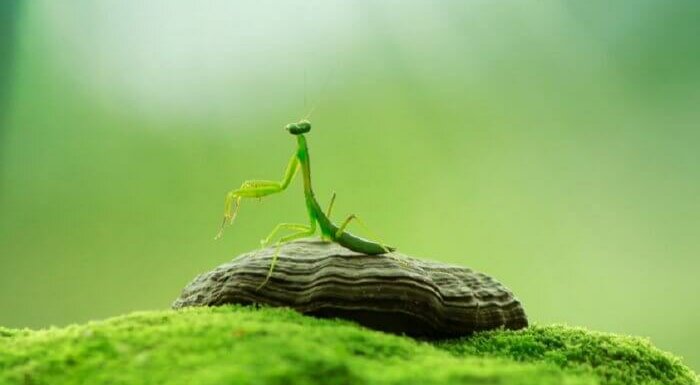
The word “mantis” is from the Greek word μάντις for prophet.
Praying Mantis Photography By Tustel Ico
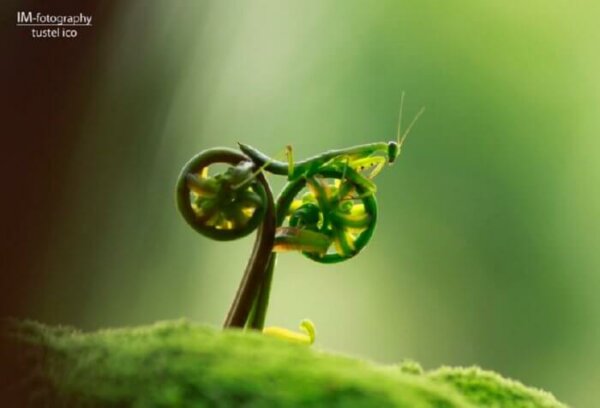
Praying Mantis ‘Rate my Bike’ by Tustel Ico.
500px.com/dolphino
Please ‘like’ Tustel’s image on above link!

Praying Mantis on two spores by Tustel Ico.
500px.com/dolphino

Praying Mantis ‘Staring at the Sun’ by Tustel Ico
500px.com/dolphino
Praying Mantis Photography By Robert Kalman
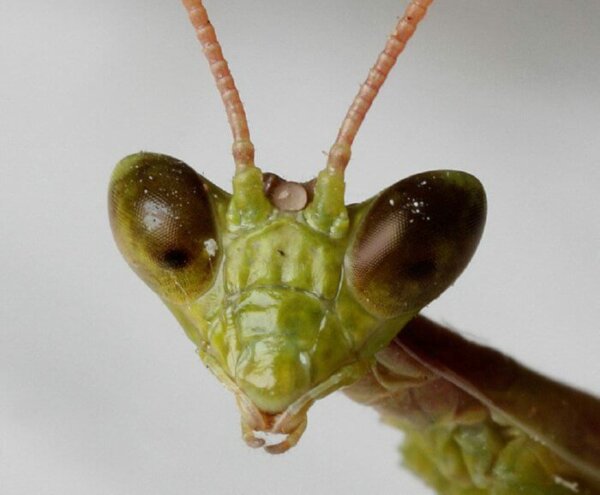
The praying mantis has excellent eyesight and can see up to about 50 feet away. Their eyes are made up of tiny compounds. Praying Mantis by Ronald Beer. www.flickr.com
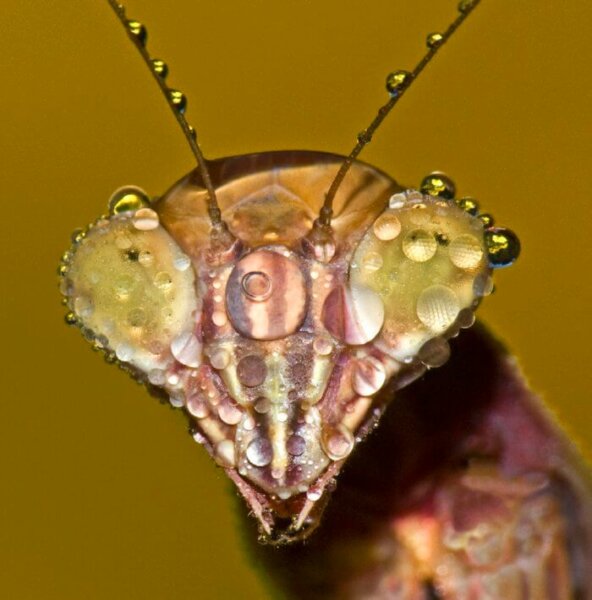
Praying Mantis by Robert Kalman.
www.flickr.com
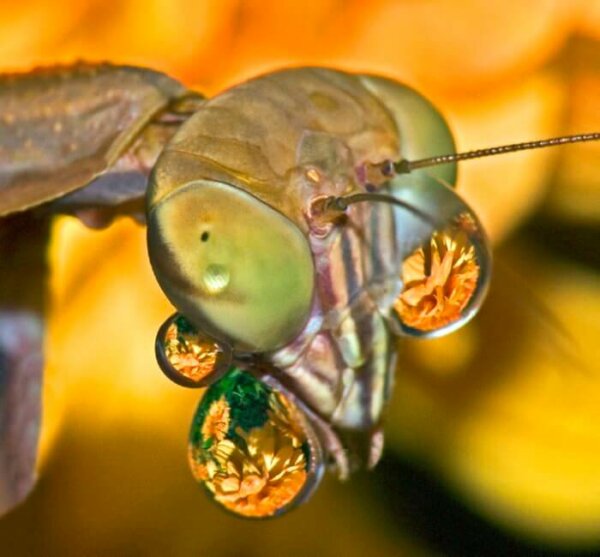
Praying Mantis by Robert Kalman.
www.flickr.com
-600x560.jpg)
Praying Mantis by Robert Kalman.
www.flickr.com
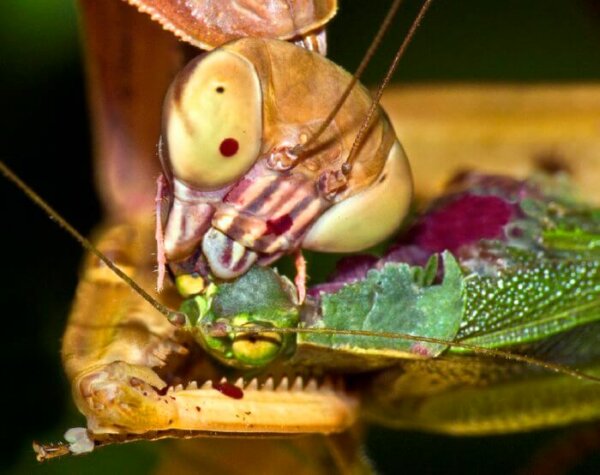
Praying Mantis devouring another bug by Robert Kalman. Farmers order mantis eggs as they are excellent hunters and copious consumers of moths, crickets, grasshoppers, flies, and other insects. www.flickr.com
More Praying Mantis Photography
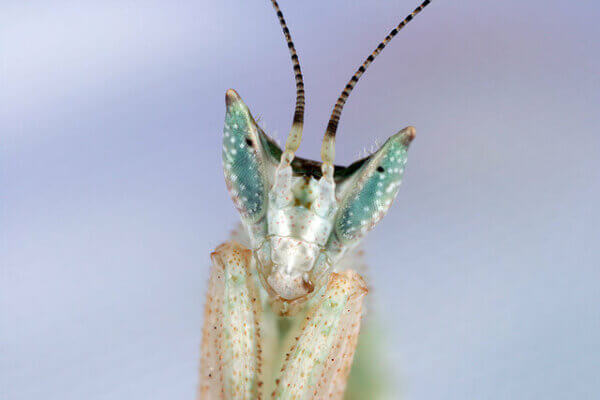
Gambian Spotted-eye flower mantis (Pseudoharpax Virescens)
keepinginsects.com
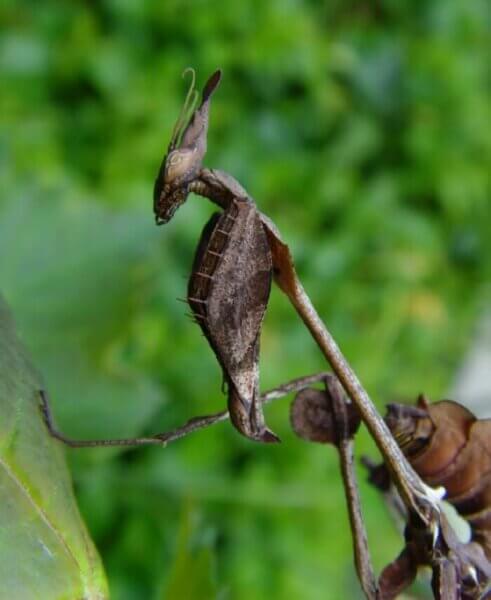
African spiny flower mantis.
By MantidBoy www.flickr.com
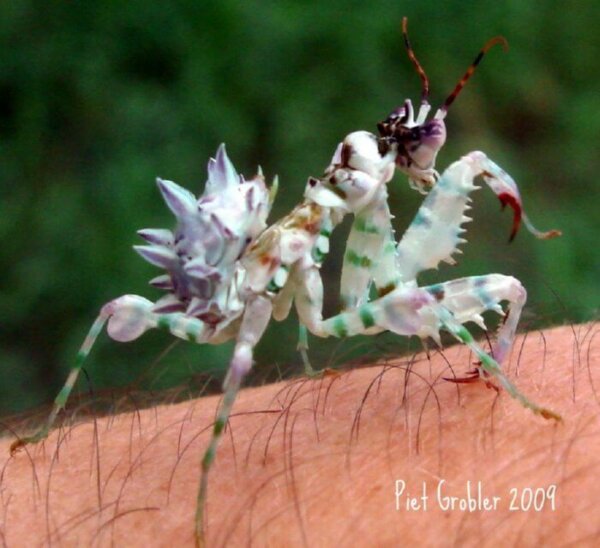
African spiny flower mantis.
By Piet Grobler www.flickr.com
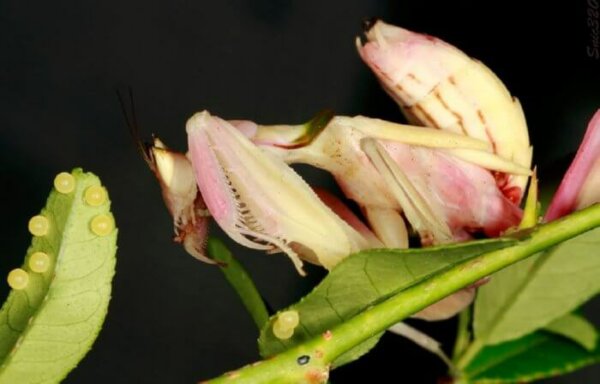
Hymenopus coronatus (sub adult female)
By Nicholas Reusen, www.flickr.com
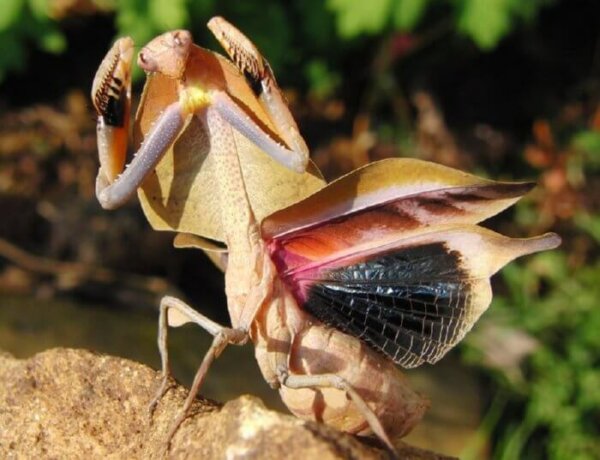
The praying mantis is actually more closely related to the cockroach than to grasshoppers. Mantis by Mantidboy.
www.flickr.com
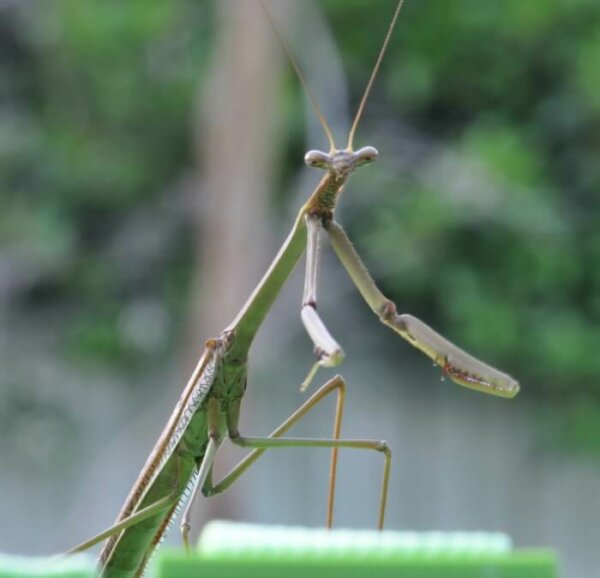
Praying Mantis in Australia taken by Darcy Moore.
www.flickr.com
The praying mantis is the only insect that can rotate its alien-like head almost 180 degrees. Mantis by Mantidboy.
www.flickr.com
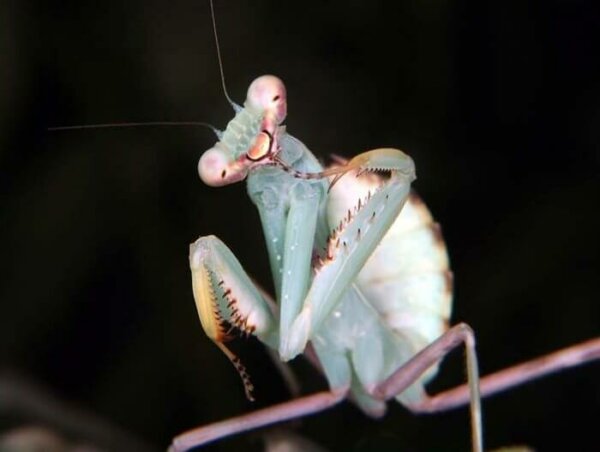
Indian Mantis By Coolsox,
www.flickr.com
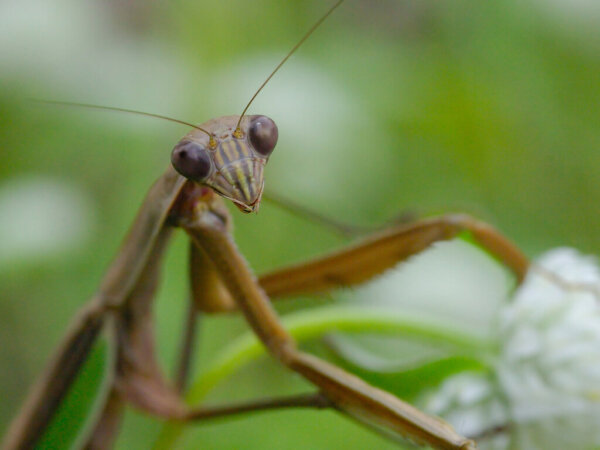
The earliest fossils of the praying mantis are from Oligocene, a geologic epoch dating around 23 to 34 million years ago. Praying Mantis by Kristen.
www.flickr.com
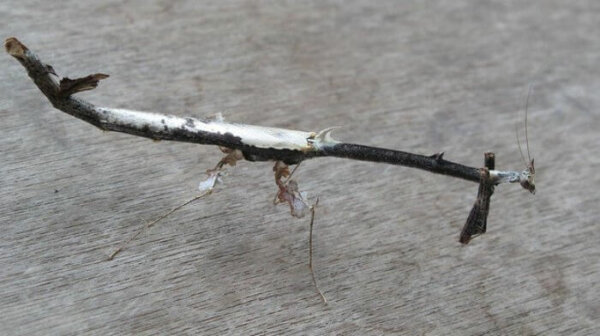
A very rare praying mantis posing as a stick insect. Taken in Malaysia by Jack Intosh.
www.flickr.com
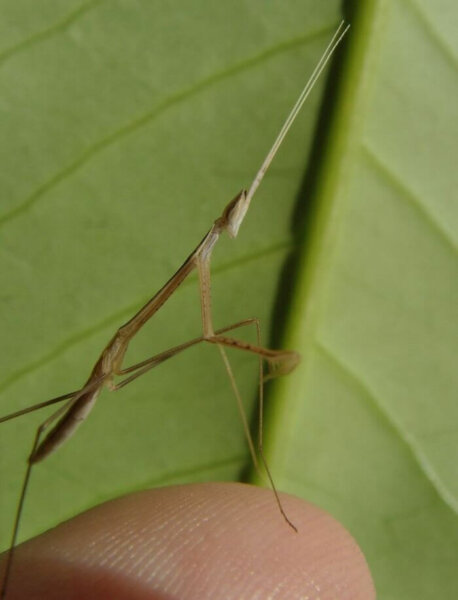
Praying Mantis – S.bicornis. By MantidBoy.
www.flickr.com
If you would like to learn more about Mantids, visit one of these forums recommended by MantidBoy.
www.chelicera.org
www.phasmidforum.com
www.ukmantisforums.co.uk
www.bugnation.co.uk
www.mantidforum.net



































Leave a Reply