
“Exposure to food and food components, including AFC (artificial food colors) and preservatives, may be associated with behavioral changes…” so says the U.S. Food and Drug Association.(3) Yet recent petitions filed by the Center for Science in the Public Interest to ban 8 of the 9 currently approved synthetic food dyes have all been rejected by the FDA.
Regulations On Food Dye In Europe
In Europe things are different. In 2010 the EU began requiring products containing artificial food colors to carry warning labels stating that “consumption may have an adverse effect on activity and attention in children.”(1) And a committee of the European Parliament has voted to ban all synthetic dyes from foods consumed by babies and small children.(1a) In England, the government asked food companies to voluntarily remove artificial dyes by the end of 2009. All companies complied.
Synthetic food colors have been suspected of triggering behavioral problems in children since the 1970s, and a growing list of new studies show that synthetic dyes can cause hyperactivity in sensitive and non-sensitive children.(2) A 2007 study commissioned by the British Food Standards Agency that linked a mix of food dyes, with increased levels of hyperactivity, attention deficit hyperactivity disorder and lower IQs in typical/ordinary children, is what triggeered the EU to take action. In the U.S., the FDA is not as quick to act. But in a recent report, the FDA admitted: “Exposure to food and food components, including AFC (artificial food colors) and preservatives, may be associated with behavioral changes, not necessarily related to hyperactivity, in certain susceptible children with ADHD and other problem behaviors, and possibly in susceptible children from the general population.”(3)
Why Is Food Dye Potentially Harmful?
Basically synthetic food coloring is a mixture of lab chemicals combined with petro-chemicals. Four dyes – Red 3, Red 40, Yellow 5, and Yellow 6 – contain cancer-causing substances. And many of the other approved nine have been linked to allergic reactions.
Since synthetic food colorings are used almost exclusively in foods of low nutritional value (candy, soda, gelatin desserts, cake icing) that also have ‘fun’ status, why not notch down the fun factor a bit or use natural dyes? This is only about the color, not the taste! The health of our children could only benefit. We only use synthetic dyes because they are slightly less expensive and more consistent than natural dyes. Currently the food industry adds over 15 million pounds of synthetic dyes into processed food each year.(6) Let the next generation grow accustomed to earth-colored birthday cakes, beet-colored candy, blueberry crackers and clear soda. Our generation needs to let go of its oh so bright colored candy. Write to the FDA and see if you can’t get them to eliminate artificial coloring from our diets…see below…
The Los Angeles Unified School District has banned sulfites, artificial red dye #40, and yellow dye #5 from their schools. Yea!^
Note the Citrus Red 2 below!!! Important for orange eaters.
Caramel Color
Sounds safe enough, but in fact there are four classes of caramel color.
The first two classes are safe. But not 3 and 4.
The 3rd class, ammonia caramel is sugar processed with ammonium compounds which is used to color beer, soy sauce and confectionery.
The 4th, ammonia sulfite process caramel, is sugar processed with both sulfite and ammonium compounds, which is used to color soda.
Problem is processing sugars with ammonia results in the formation of numerous chemical byproducts. Two of those byproducts: 2-methylimidazole (2-MI) and 4-methylimidazole (4-MI) are dangerous and known animal carcinogens. Government studies have shown 2-MI and 4-MI cause lung, liver, thyroid cancer or leukemia in laboratory mice and rats. Recently researchers at the University of California, Davis, found significant levels of 4-MI in five brands of cola (200 micrograms of 4-MI per 20-ounce bottle), those levels far exceeded what the state considers to be safe (16 micrograms per person per day.) California has recently added 4 MI to it’s list of “chemicals known to the state to cause cancer.” Under California’s Proposition 65, foods or other products containing more than certain levels of cancer-causing chemicals must carry warning labels. Soon soft drinks in California will be required to carry a cancer warning label unless they change their formulation.(4,5)
Blue 1 or Brilliant Blue or E133: Caution
Artificial Coloring: Beverages, ice cream, canned processed peas, dairy products, baked goods, icings, candy and drinks.
Capacity for inducing an allergic reaction in individuals with pre-existing moderate asthma. One animal test suggested a small cancer risk, kidney tumors in mice and a test-tube study indicated the dye might affect nerve cell development. It also causes occasional allergic reactions. It is one of the colorants that the Hyperactive Children’s Support Group and the Feingold Association recommends to be eliminated from the diet of children. US production exceeds 1 million pounds annually.
Blue 2 or Indigo Carmine or E132: Avoid
Artificial Coloring: Pet food, cereals, beverages, cherries, candy.
Animal studies found some evidence that Blue 2 causes brain cancer in male rats. In some it causes nausea, rashes and allergies. Banned in the EU.
Citrus Red 2: Avoid
Artificial Coloring: Permitted by the FDA since 1956 only for use in the United States to color the skin of whole oranges! Had no idea they were dying our oranges with a known carcinogen!
Red Dye No. 2 is used early in the Florida citrus season when the fall nights are not cold enough to develop the perfect orange color (without cold evenings they are yellow or green). If you see bright orange Florida oranges in the fall, it’s probably been dyed. Buy the California or Arizona oranges instead, as Citrus Red 2 is banned there. Has been found to be toxic to rodents at modest levels and caused tumors of the urinary bladder and possibly other organs.
The amounts that one might consume are small, so the risk is small. But use caution. Do not use Florida orange peels/rind in the fall, do not make marmalade from Florida oranges, do not have orange rind in mixed drinks. Banned in the EU.
Green 3 or Fast Green or E143: Avoid
Artificial Coloring: Canned green peas and other vegetables, jellies, sauces, fish, desserts, and dry bakery mixesOur least used FDA dye. Found to have tumorigenic effects in experimental animals, as well as mutagenic effects in both experimental animals and humans. A 1981 industry-sponsored study gave hints of bladder and testes tumors in male rats, but FDA re-analyzed the data using other statistical tests and concluded that the dye was safe. Fortunately, this possibly carcinogenic dye is not widely used. Banned in the EU.
Orange B: Avoid
Artificial Coloring: Sausage and frankfurters.
Approved for use only in sausage and frankfurters casings, high doses of this dye are harmful to the liver and bile duct. However, that is not worrisome because Orange B has not been used for many years. Not used in EU.
Red 3 or Erythrosine or E127: Avoid
Artificial Coloring: Candy, pistacchio shells, fruit roll-ups, chewing gum, cake icing, baked goods.
High doses have been found to cause cancer in rats. The evidence that this dye caused thyroid tumors in rats is “convincing,” according to a 1983 review committee report requested by FDA. Years ago the FDA’s recommendation that RED 3 be banned was overruled by pressure from elsewhere in the Reagan Administration. Red 3 used to color maraschino cherries, but it has been replaced there by the less controversial Red 40 dye. Banned in EU.
Red 40 or Allura Red AC or E129: Caution
Artificial Coloring: Soda pop, candy, gelatin desserts, pastries, pet food, sausage.
The most widely used food dye. While this is one of the most-tested food dyes, the key mouse tests were flawed and inconclusive. An FDA review committee acknowledged problems, but said evidence of harm was not “consistent” or “substantial.” Red 40 can cause allergy-like reactions. Like other dyes, Red 40 is used mainly in junk foods. Linked to hyperactivity. Banned in Denmark, Belgium, France, Switzerland, and Sweden being phased out in the entire EU. Made of petroleum and 2-naphthalenesulfonic acid, 6-hydroxy-5-((2-methoxy-5-methyl-4-sulfophenyl)azo)-, disodium salt, and disodium 6-hydroxy-5-((2-methoxy-5-methyl-4-sulfophenyl)azo)-2-naphthalenesulfonate.
Yellow 5 or Tartrazine or E102: Avoid
Artificial Coloring: Sodas (Mountain Dew), energy drinks, corn chips, corn flakes, popcorn, pickles, egg noodles, ice cream, candy, pet food, baked goods, vitamins, shampoos and moisturizers.
The second-most-widely used coloring causes allergy-like hypersensitivity reactions, primarily in aspirin-sensitive persons, and triggers hyperactivity in some children. Hyperactive children may exhibit an increase in irritability, restlessness, and sleep disturbance after ingesting tartrazine. It may be contaminated with such cancer-causing substances as benzidine and 4-aminobiphenyl (or chemicals that the body converts to those substances). Tartrazine affects adversely and alters biochemical markers in vital organs e.g. liver and kidney not only at higher doses but also at low doses. Being phased out in the EU. Read more about Yellow 5 here: www.feingold.org
Yellow 6 or Sunset Yellow or E110: Avoid
Artificial Coloring: Orange sodas, breadcrumbs, snack chips, cheese sauce mixes, hot chocolate mix, candy, baked goods.
Yellow 6 may cause occasional, but sometimes-severe hypersensitivity reactions. Industry-sponsored animal tests indicated that this dye, the third most widely used, causes tumors of the adrenal gland and kidney. In addition, small amounts of several carcinogens, such as 4-aminobiphenyl and benzidine are a result of production. Yellow 6 can also increase the intake of aluminium. However, the FDA reviewed this data and found reasons to conclude that Yellow 6 does not pose a significant cancer risk to humans. Sunset Yellow is banned in Norway and Finland and is being phased out in the EU.
Artificial And Natural Flavoring: Some Should Avoid
Flavoring: Soda pop, candy, breakfast cereals, gelatin desserts, and many other foods.
Hundreds of chemicals are used to mimic natural flavors; many may be used in a single flavoring, such as for cherry soda pop. Most flavoring chemicals also occur in nature and are probably safe, but they are used almost exclusively in junk foods. Their use indicates that the real thing (often fruit) has been left out. Companies keep the identity of artificial (and natural) flavorings a deep secret. Flavorings may include substances to which some people are sensitive, such as MSG or HVP.
A Warning For Vegetarians
Carmine food coloring is derived from dried female cochineal insects!
Picture via: www.cspinet.org
Food Dyes In The United States vs England
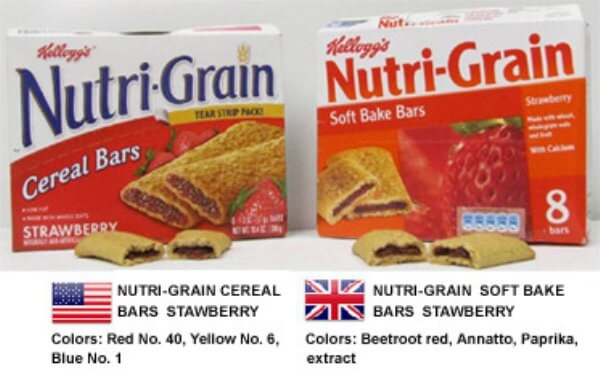
In the UK, Fanta orange soda is dyed with pumpkin and carrot extract – in the U.S. Fanta is dyed with Red #40 and Yellow #6. In the UK, McDonald’s Strawberry Sundaes are colored with strawberries – in the U.S. with Red dye #40. There are many more examples like this, the U.S. gets the synthetic dyes! (6)
Food Dyes Damage Mice–Must-Read!
Sixth grader’s science experiment called “Fuzzy Brained Mice”, Taylor fed a very small amount of yellow food coloring #5 to half his control mice after he had taught them to walk a maze. www.feingold.org
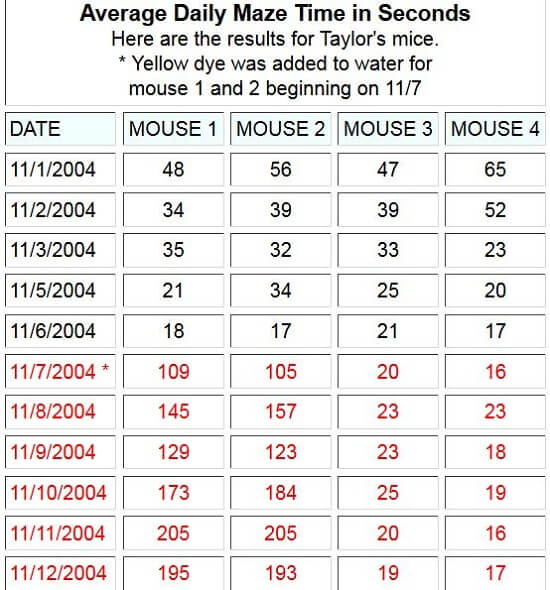
Dose: 1/4 tsp of liquid Yellow Dye #5 in the two mice’s 6 oz bottle of water.
“Even though the two Yellow dye mice had previously known the maze route as well as the Pure Water Mice, they were confused and took dead-ends continuously. Additionally, one Yellow Dye Mouse became aggressive and attacked its cage mate.” feingold.org/taylorsmice
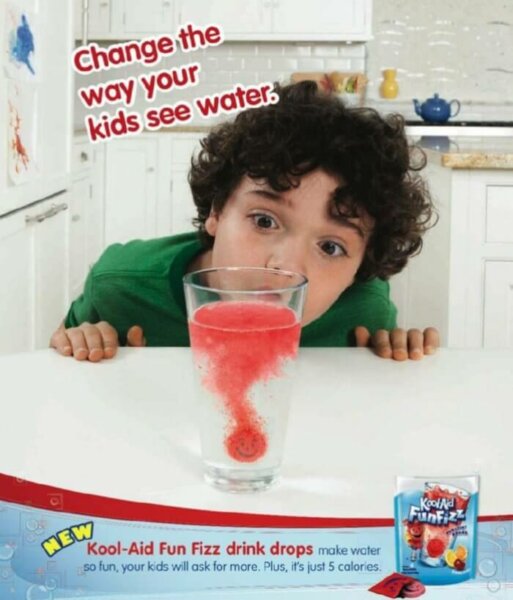
No comment! Pic: www.facebook.com/note.php?note_id=414201301097
Safe Food Colorings
India Tree Natural Decorating Colors are concentrated liquid vegetable colorants. Seattle, WA. www.indiatree.com
Chocolate Craft Kits & Natural Dyes, Portland, OR.
www.chocolatecraftkits.com
Shop Bakers Nook Saline, MI
www.shopbakersnook.com
Nature’s Flavors Orange, CA.
www.naturesflavors.com
How To Make Homemade Food Colorings
Good for Easter eggs as well, boil your food in some vinegar to really bring out the color.
www.kblog.lunchboxbunch.com
Safe Hair Color!
www.herbatintusa.com
Take Action
Sign the Petition asking Kraft to rid its foods of chemical dyes!
www.thepetitionsite.com
Write:
U.S. Food and Drug Administration
Center for Food Safety and Applied Nutrition
Outreach and Information Center
5100 Paint Branch Parkway HFS-009
College Park, MD 20740-3835
1-888-723-3366
Sample letter
Dear Ms. Hamburg,
After researching the safety of artificial food dyes I am concerned as to their affects on our younger population. The EU and Britian require warning labels on products containing artificial food dyes, yet we do not. I ask that you request food manufacturers to switch to safer natural colorings. The health of our nation could only benefit.
Sincerely,
Help For Parents
If you believe that food dyes affect your child’s behavior, please fill out a CSPI report form at: cspinet.org/fooddyes https://articles.chicagotribune.com/2011-01-01/health/ct-met-food-dyes-20110101_1_food-dyes-food-colors-food-ingredientsThey’ll forward the reports to the FDA.
References
(1) Do synthetic food colors cause hyperactivity? chicagotribune.com
(1a) “FDA to investigate food dyes’ effect on youth” www.ift.org
(2) PhysOrg – Do synthetic food colors cause hyperactivity? Jan 6, 2011
www.physorg.com
(3) Evaluation of Studies on Artificial Food Colors and Behavior Disorders in Children. www.fda.gov.pdf
(4) FDA Urged to Prohibit Carcinogenic “Caramel Coloring”
www.cspinet.org
(5) Caramel Coloring in Soda: What You Should Know About This Innocent-Sounding Ingredient
www.huffingtonpost.com
(6) “Food Dyes Linked to Cancer, ADHD, Allergies” www.foodsafetynews.com
The Center for Science in the Public Interest (CSPI) report “Food Dyes: A Rainbow of Risks“ www.cspinet.org.pdf
CBS News: ‘Food Dyes Linked to Allergies, ADHD and Cancer: Group Calls on US to Outlaw Their Use’ www.cbsnews.com
Center for Science in the Public Interest
www.cspinet.org
The Feingold Diet Program for ADHD: www.feingold.org
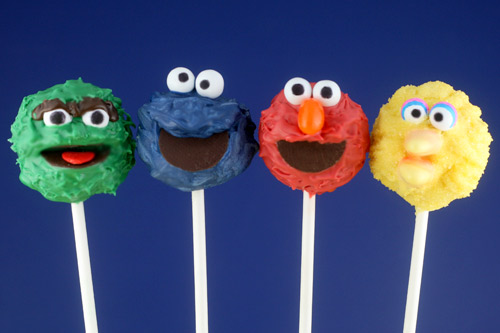
Natural dye, please!


















To think that ingesting a petroleum produce will not cause adverse reaction over time is ridiculous. Anyone would be hard pressed to find a regular food on the market that does not contain some sort of food dye. It is in everything we eat. It is said that an average human being eats about 11 pounds of toxic chemicals each year and we wonder why ADD, ADHD, Bipolar and Cancer are growing at an alarming rate. There is absolutely no reason to add a petroleum product (food coloring) to anything we eat. The only reason the manufacturers do it is strictly marketing related. They have performed studies that show the human brain perceives bright colors like we see in nature, apples, grapes, oranges, tomatoes as good for our bodies. Therefore if they add color to it and make it brighter, human instinct kicks in and our brains crave it. In reality we are slowly killing ourselves and our children.
I absolutely hate when I read articles that state there are no studies that show food coloring is harmful. That is just the FDA’s way of saying the lobbyist have more power than you do. I have a child that began to act out with aggression and behaviors that were not natural, nor logical. We struggled for years as he was kicked out of daycare after daycare. As a last resort we took him to a doctor who diagnosed him as bipolar and put him on medication. We hated this but at the time; it was all we could do. We did not want him to hurt himself or anyone else. At one point he jumped out of a car at stoplight on a busy street because we passed a toy store and he was mad that we did not go there. After he was placed on medication, his issues lessened but did not go away completely. After about a year on the medication, he went through about a three week period where he slid back into the uncontrollable personality that he had been before the medication. I began to look at what had changed. I realized that a family member had given us a case of the little orange crackers and a case of a well known ranch flavored potato chips (I don’t want to mention names). Our kids at these standard US snacks at the rate of about 5 or six packages a day during those three weeks. I began to put two and two together and realized the common denominator was food coloring. We removed all foods with artificial food coloring, which by the way was not as easy as it sounds, and within a few days our child was calmed, sweet, and caring again. The few times he had a meltdown was directly related to a food with dye in it. One time we could not figure out why he was acting out, all he had was pizza. Then I found out there is yellow dye in pizza crust. Why you might ask? So it looks pretty and your brain tells you it is healthy food.
I find it amazing as I look around and kids are cramming cupcakes with bright blue frosting in their mouths at alarming rates, while the parents stand there and say, “I don’t know why everyone things little Johnny is ADD. Where did I go wrong?” … Really? I challenge you to walk in your local convenience store and find an item without artificial dye and by the why “Carmel coloring” found in many products is not natural either, it just sounds like it is.
Wake up America! The FDA has to quite playing the lobbyist money game while our children are the pawns.
Reply #1 says it all for me. It sickens me to read about all the toxins that are so hard to avoid. Why????? The greed for money. The root of all evil. My parents immigrated from The Netherlands to the U.S. back in the 50’s. I can remember my Mom being so fussy about all the food she bought. Only fresh veggies, no cereals loaded with sugars, artificial colors, etc… No hot dogs, burgers we made ourselves from freshly ground meat at the butcher, no potato chips, no junk foods at all.
Ha, and I thought she was being mean! I skim through the obituaries daily, and it’s shocking and sad to read how many people are dying of cancer, etc. Not just the elderly, YOUNG children and adults. I’m doing my best not to be one of them. Eat less, eat better. Support local and organic farming. You really ARE what you eat! Life is short enough. I’ve known far too many wonderful people that have died way too young of cancer.
This website is very informative but it is pretty general when it comes to the foods that contain these substances.
Red dye 40 has negative effects on the adult brain as well. I’ve recently started paying more attention to the subject and have noticed that I am a lot more irritable and hostile about 12-24 hours after ingesting something that contains Red 40. Unfortunately, it is found in some unexpected things, such as some bakery-made pumpkin pies (like Walmart’s), cough syrups, jello, and other relatively common items.
When my one year old niece came into my care, she was very aggressive, covered in eczema, and showed strong signs of being ADHD, so I followed advice to remove all colorings and flavorings from her diet as well as amines. Her eczema disappeared and her whole body relaxed. I was amazed to find I had to make almost everything (even butter!) from scratch in order to avoid additives.
What really astounded me – my own daughter was extremely placid but being the same age shared the diet. I treated her to some lightly flavored crackers when my niece was absent, and she bit me! No reason. Never happened before or since. A strong indication to me of why behavioral issues are so much more of a problem these days.
Assume they are in everything and read the ingredient labels. Even medicine brought her out in a rash, so I crushed tablets with jam until she was old enough to swallow them whole. Haven’t been able to get any ingredients on the tablets…
My 12 year old son just had a horrible allergic reaction after having a blue Gatorade. We have known he’s allergic to red dye since he was about 2 years old. He knows how terrible it makes him feel so he is always checking labels to make sure what he’s about to eat does not have any of the red dyes. Well, he drank a blue Gatorade. He’s had light blue Gatorade’s in the past and did not even think to check the label of the dark blue drink. He became beat red and very angry. He got aggressive and was not thinking straight. I asked him immediately if he had any candy or anything with red dye and he angrily replied ‘NO! I did not have any red dye!’ I asked him what he did have and he let me know that he drank two Gatorade drinks. I ran over to our friends ice chest and looked at the label. Sure enough, there the horrible ingredient was. It took my son about two hours to feel somewhat normal, then he felt sick to his stomach.
PLEASE stop adding dyes to food and drinks! Even for the kids/adults who aren’t allergic to dyes, they stain faces, teeth, tongues, and clothing. It’s NOT worth it!!
As a parent, this makes me so angry. I want to say that it seems we have it much better in the EU, but just to give some general advice…
Grow your own veg f you can, otherwise peel it to get rid of pesticides – washing alone will not esp. on cucumber (zucchini?)
Bake /cook your own food from scratch – more rewarding, healthier and often cheaper
go for a run in the morning, get your kids to have more active lifestyle
eat more raw/unprocessed food
avoid a c-section if you can
breastfeed for 2 years if you can. good to reduce risk of allergies.
I am a student studying in France and it came to my attention that the dyes are not allowed here and it is amazing.
I am allergic to all artificial colorings, I have to carry an epipen in case I have an accidental interaction with the dyes.
I fully support the parents trying to remove dyes from their childrens diets, I do not know any of the science behind it all but I live a very healthy life and I definitely think the lack of processed, fake foods is a huge factor.
Good luck if you are looking to do this diet by choice, it is a lot of work and there will be accidental exposure!! The hardest part is with prescription or over the counter, most have dyes in them, even Tylenol is written in red!
When my daughter was 4 years old she was diagnosed with autism. She was non-verbal and had repetitive behaviors, such as spinning and tapping objects. She had terrible meltdowns that lasted all day at times. She would climb the furniture and then throw herself off into space.
At this time her favorite food was Fruit Loops and she also liked Goldfish crackers.
Her preschool teacher suggested I try taking her off of food dyes and milk. She had seen a big difference in another student whose mother did this. He went from being nonverbal at age 4 to talking and beginning to read at age 5. He had appropriate behaviors and was ready to start first grade at age 6.
So, I took her off all food dyes and milk. She seemed to do okay with cheese unless it contained colorings, which many do. The ‘natural’ coloring that is used in cheese and Goldfish crackers is annatto. I discovered it had a terrible effect on my child.
My daughter’s behavior transformed within days of taking her off all food dyes and milk. The meltdowns all but ceased. It took a bit longer for her to become verbal, but within a year and a half she was talking.
The hard thing was that other people would give her these food colorings at school, at church, at parties. These brain-altering chemicals are everywhere, and people hand them out freely to children.
My child is 15 now and still has many challenges. Her autism is not cured, but she is very verbal and would be considered high functioning autistic.
Her sensitivity to some of these things have improved somewhat. She can have milk on her breakfast cereal or eat a small amount of ice cream. She monitors herself and stays away from colored foods, because she doesn’t like the way they make her feel.
I would like to see these substances removed from our foods. We are poisoning our children, and they all want to eat these ‘fun’ foods. Food can be fun, but the most important thing is that food be healthy. If we want a healthy society, we need healthy foods and healthy children.
Thank you for this article. Since she was an infant, my daughter would get a bright red splotch on her cheek after eating certain things. We actually think it’s ascorbic acid, but tonight it happened after cookies (out of a box, shame on me!). I read the box, and then out of curiosity went online to see what’s in Starburst, because she gets very red after eating them. I wanted to see if there is link between the two. The website I found led me from one site to the next about dyes, including this one.
I’ve heard for years that dyes aren’t good for you, but I had no idea how absolutely awful they are. I monitor what my girls eat and we try to be healthy, but as kids grow they want more are exposed to more and, as a parent, we have less oversight. Today, that changes for my household. My seven year old went into her room and handed me some candy she had squirreled away that she said she knows must have dyes in it (and she was right).
Thank you to all who posted here for sharing your stories – for putting it in black and white. Thank you. For those of you who haven’t heard of it, the preservative sodium nitrite is hideous, too. Once you read about it you’ll steer clear.
Oh, and take a look at a site that tells you about the plastics we use. Between these three things alone we are systematically killing ourselves!
Dear Ms. Hamburg,
After researching the safety of artificial food dyes I am concerned as to their affects on our younger population. The EU and Britian require warning labels on products containing artificial food dyes, yet we do not. I ask that you request food manufacturers to switch to safer natural colorings. The health of our nation could only benefit.
Sincerely,
Rebecca Combs
this message should be sent to every PTA president in the USA. we all must learn to read the labels and heed the actions of other countries who regulate the chemicals added to food. parents can protect their children even when the FDA is slow in doing so
any site using a child’s study as evidence of a required ban clearly does not have a solid argument. I clicked here looking for scientific evidence and that’s what I found. Blow’s my mind that people want to change policy based on an absurd notion. Be a scientist if you are going to use science in an argument. Show me the results of these studies that claim impact. I want double blind studies, statistical significance, real data. Not ‘look what happened when I fed my mouse food coloring. He instantly became stupid.’ Get real. Show me real data before petitioning me to change policy.
I have explain so many article of this site in which some of them were very interesting and inspiring.This article has good title with good description.
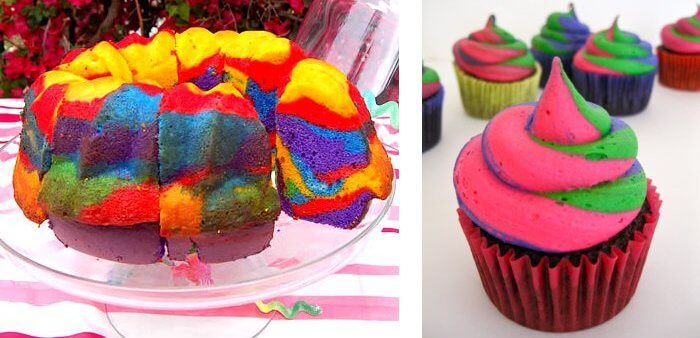
I am not certain about the scientific validity of this purported study on food dyes. However, I do know that the colored cake repulses me.
Bar wedding Singapore
Boulevard.sg/
I found this shocking fact, that there is blue food dye in marshmallows.
My dad drinks at least five mountain dew cans a day. He has severe allergies and asthma, behavioral problems, irritability, depression, anxiety, and possibly bipolarity. I have found here that many of these symptoms in the common die in that drink. He doesn’t even enjoy life due to these things, doesn’t want to be here. He refuses to take medication or vitamins or go to therapy. Maybe cutting this stuff out will help with some of his symptoms…
i have had trouble sleeping for as long as i can remember. i am 71 now and still have trouble sleeping. about twenty years ago i started keeping tract of everything i eat after very methodical record keeping, i found that artificial dyes were causing the problem . especially red dyes. my insomia is much better now, but i am having trouble with food that has caramel coloring in it. this is not listed on the ingredient label on the product i consumed. for example, multigrain cheerios do not list carmel coloring on their box, but does have it listed on the internet .they say it is ‘natural’ dyes but it seems to be disrupting my sleep. surely there are other people with this problem?
I am very allergic to red dye 40 angiodima happens when I have something with red dye 40! It’s in everything and why? It is not needed in cereal or Doritos. Ppl would still eat those things! It’s in over the counter meds for petes sake! I took a gas x pill and had adverse allergic reaction that sent me to er! We’d ppl take all dyes out of our food and meds! It’s sooo not
Needed!!!
My Family moved to Canada 4 years ago when my son was 4.5 years old. I didn’t notice anything concerning about him until this time. Everybody who knew my son were telling that he is smart and bright. However, soon after we arrived in Canada he got a cold and I gave him a Tylenol with cherry, it was red. After 30 minutes he got very serious rash all over his face and even the inside of the eyes were swelled. Since that time I thought that he has an allergy to Tylenol. And everytime when he was sick I gave him an Advil with no colour. Soon, he went to school and the problem started with attention and behaviour. I was 100% sure that he will also succeed in school like all his siblings does. I went to family doctor, pedestrians because the teachers were pointing to ADHD. I was trying so many things to eliminate the symptoms like multivitamins, probiotics, homeopathic liquids etc. Spent so many hours thinking what caused it starting from my pregnancy until what we eat. A few weeks ago I started notice that his attention got the way better than it was before. I started thinking what I have changed to improve the symptoms so dramatically. There were no cereals in the morning, fruits and homemade vaggie sandwith for lunch, and dinner. Nothing special, no candies , no lollypops. Last night my daughter had a fever and I found out that the Advil i usually use has no Dye in it and I asked pharmacist about the dye and now I am certainly sure that this red dye caused his allergic reactions and ADHD symptoms.